
Last updated August 25, 2026
Free on-site gate assessment - hinges, posts, and your LiftMaster or Nice gate operator checked before anything is quoted
The assessment is free and the quote is the invoice.
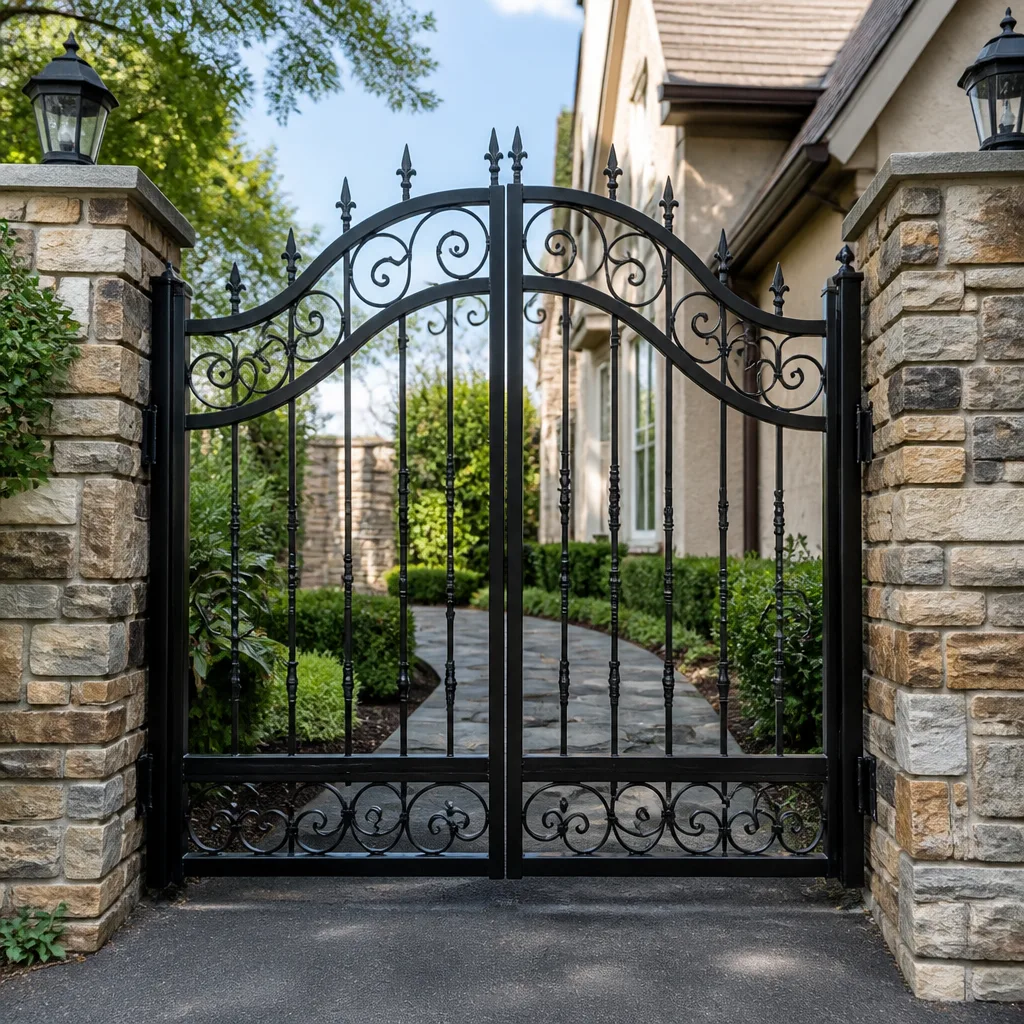
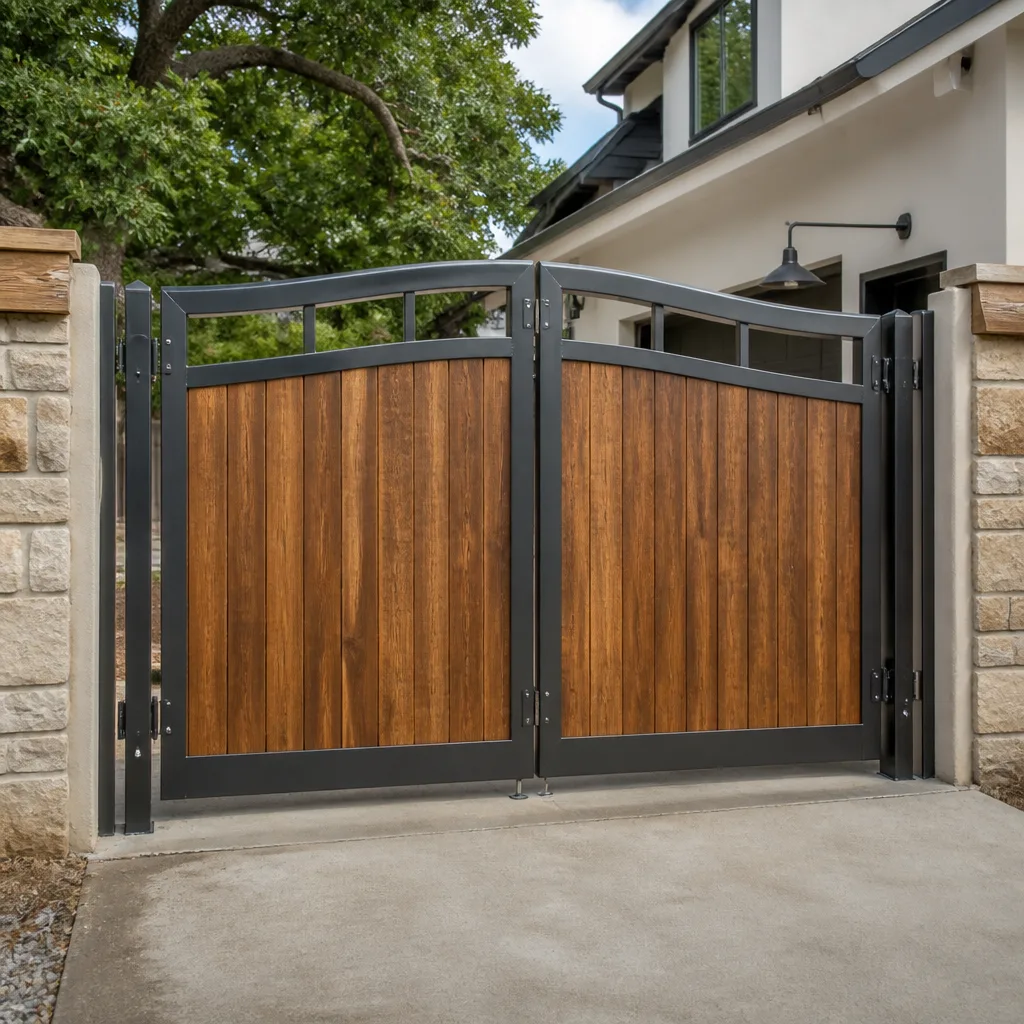
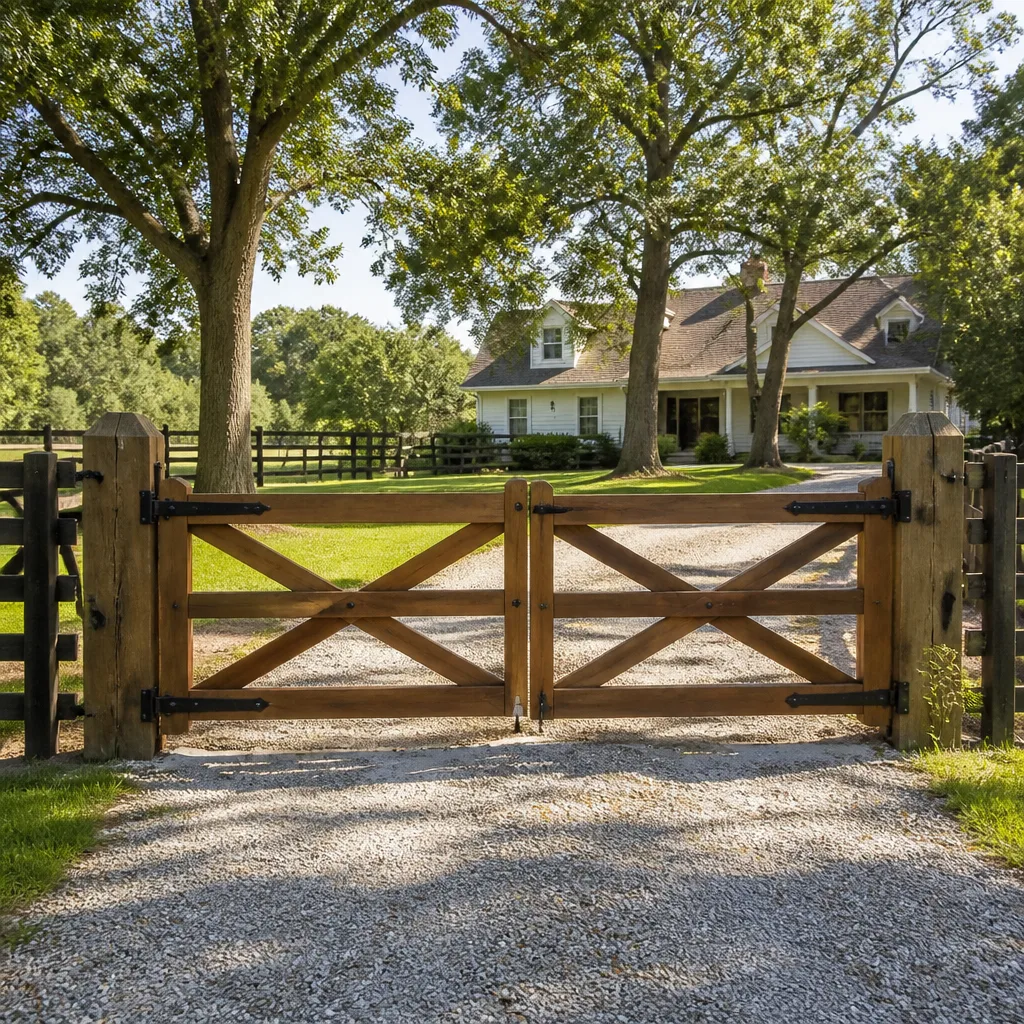
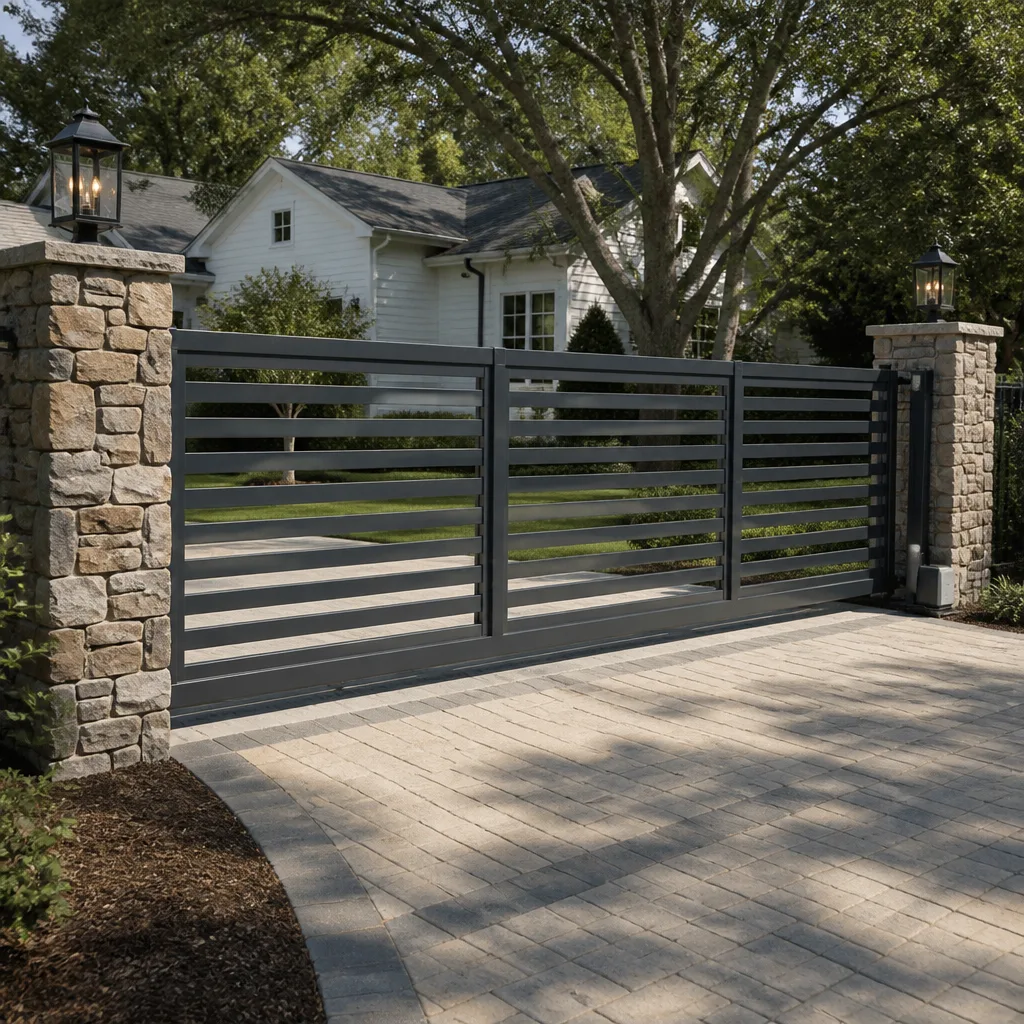
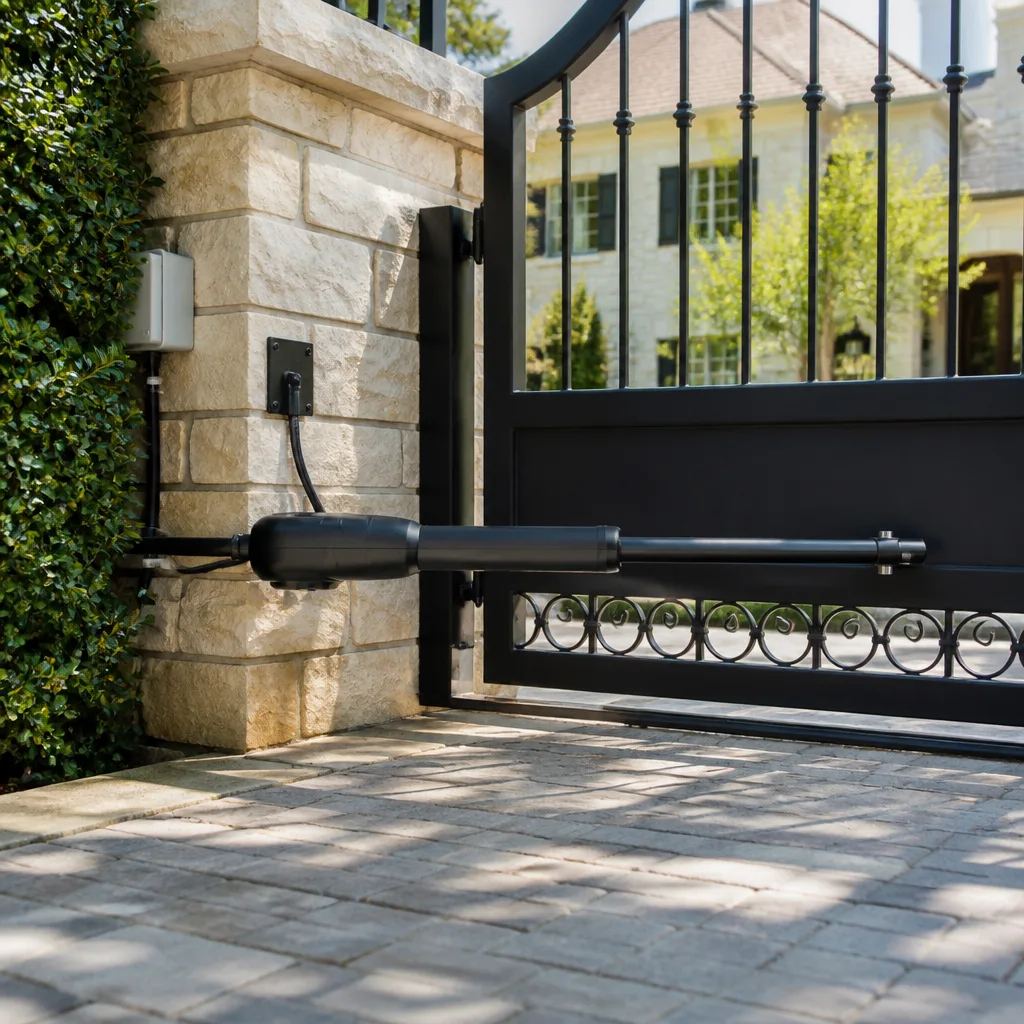
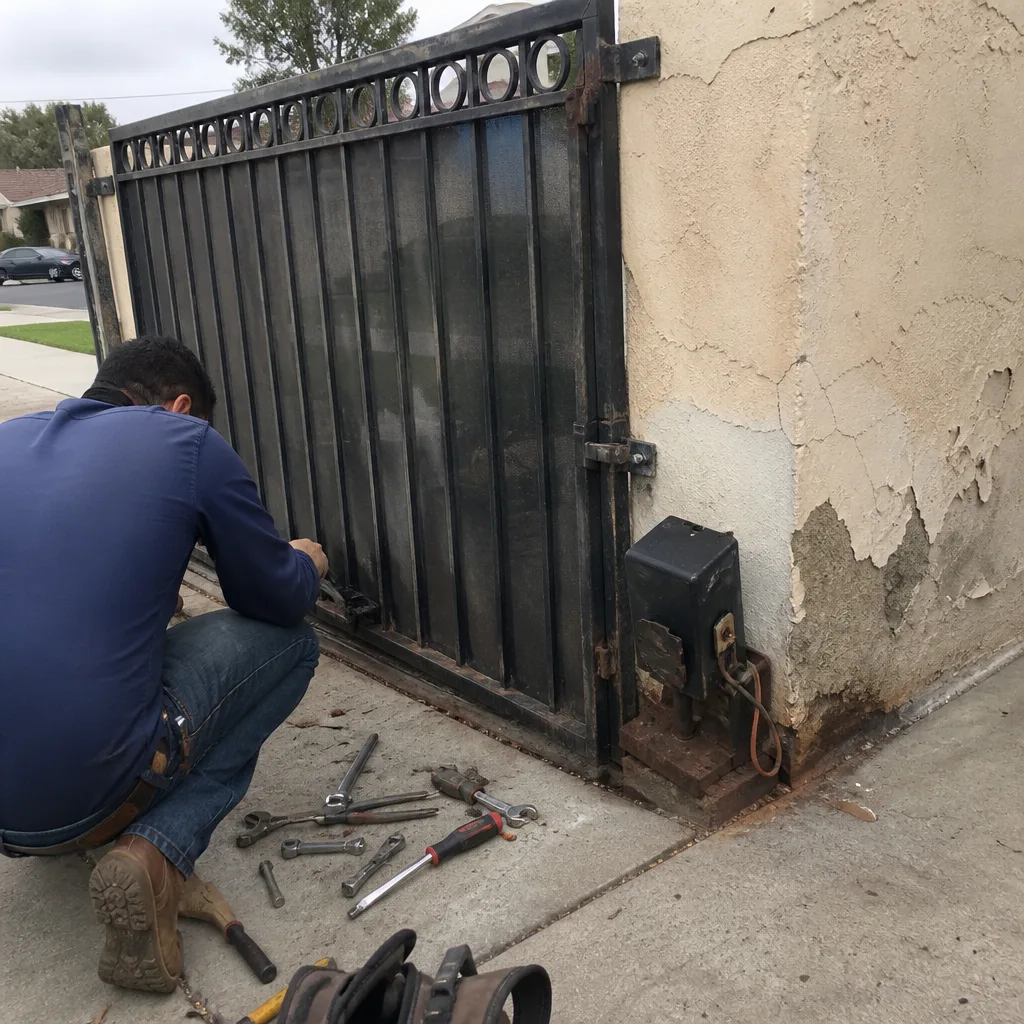 Before
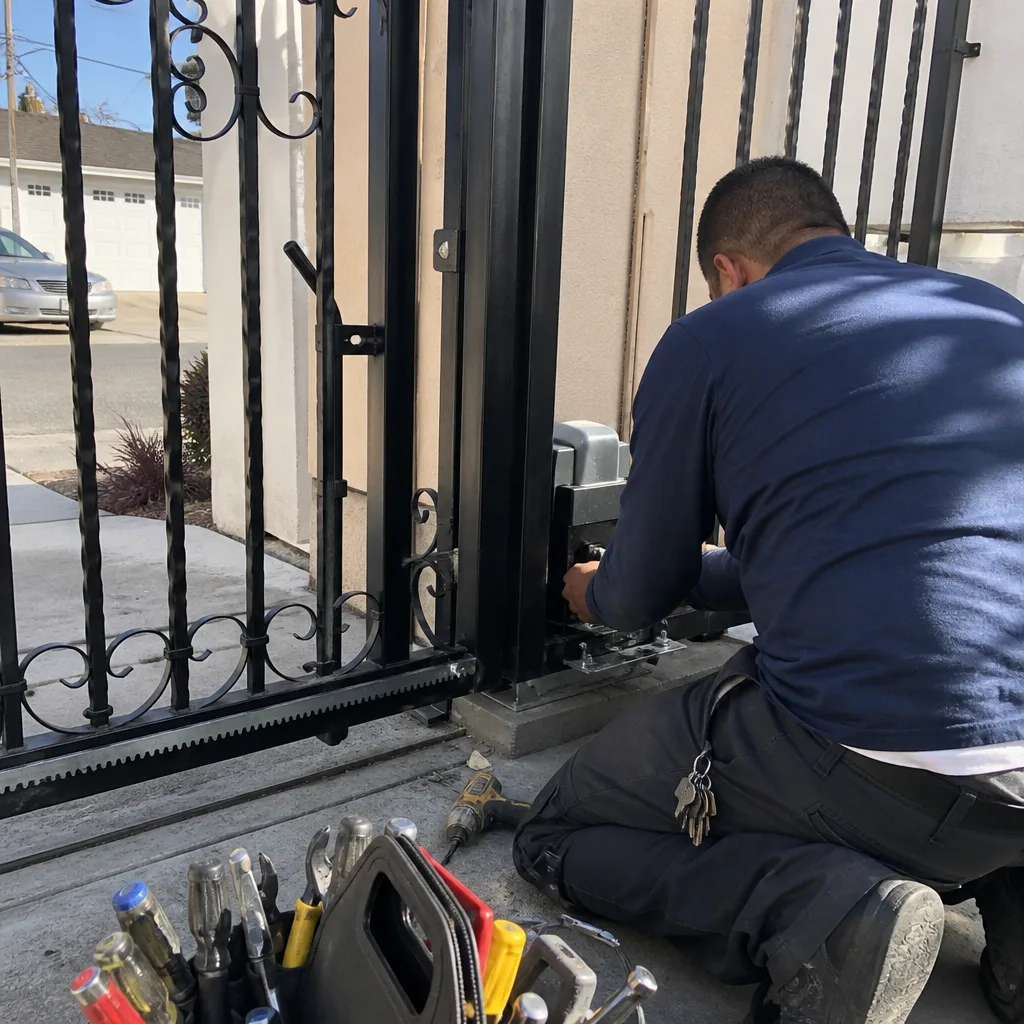 After
After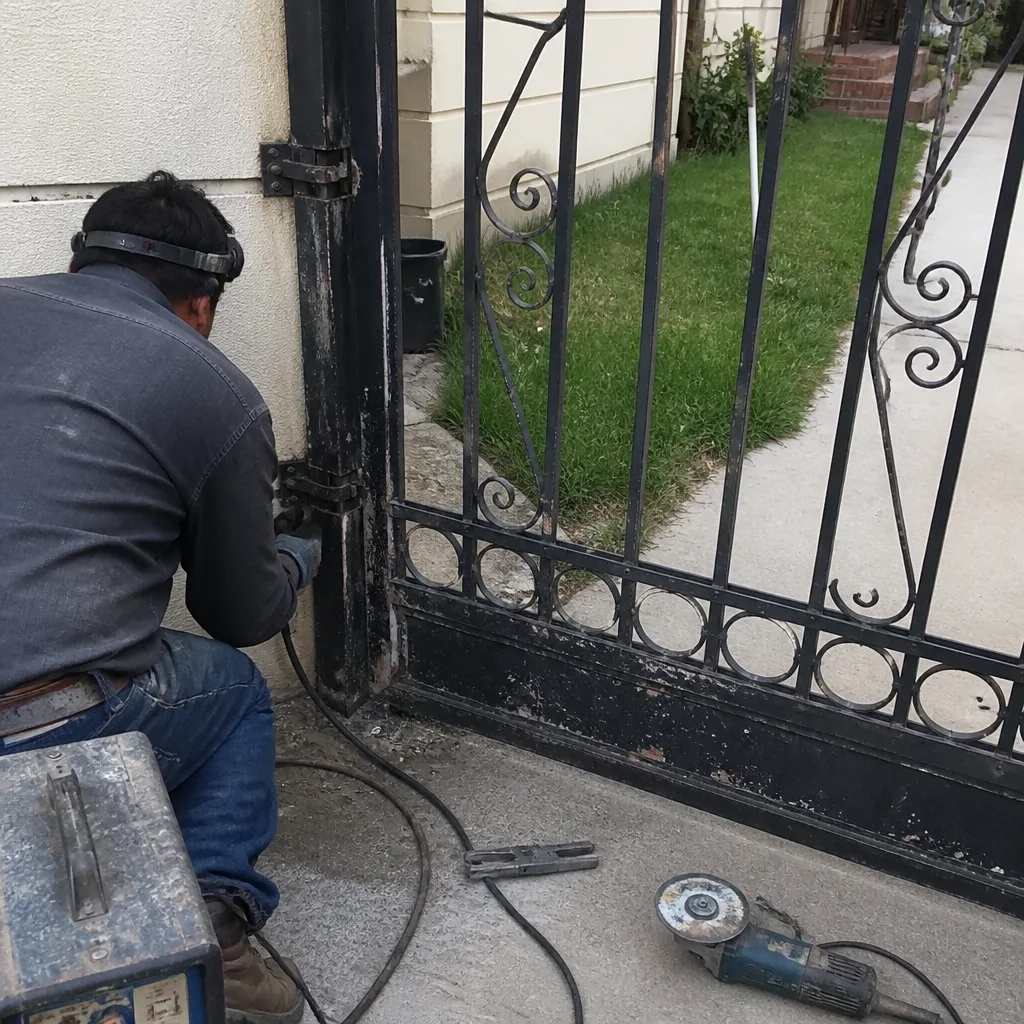 Before
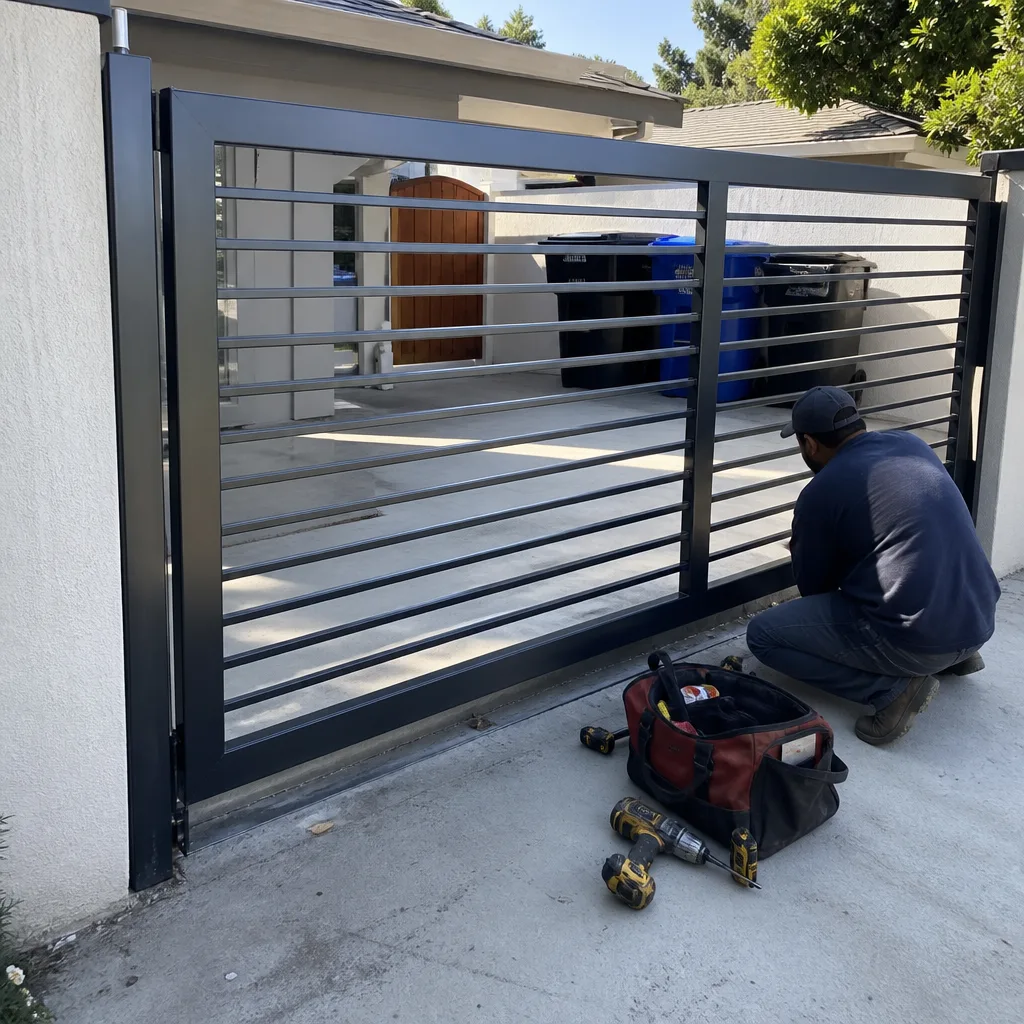 After
After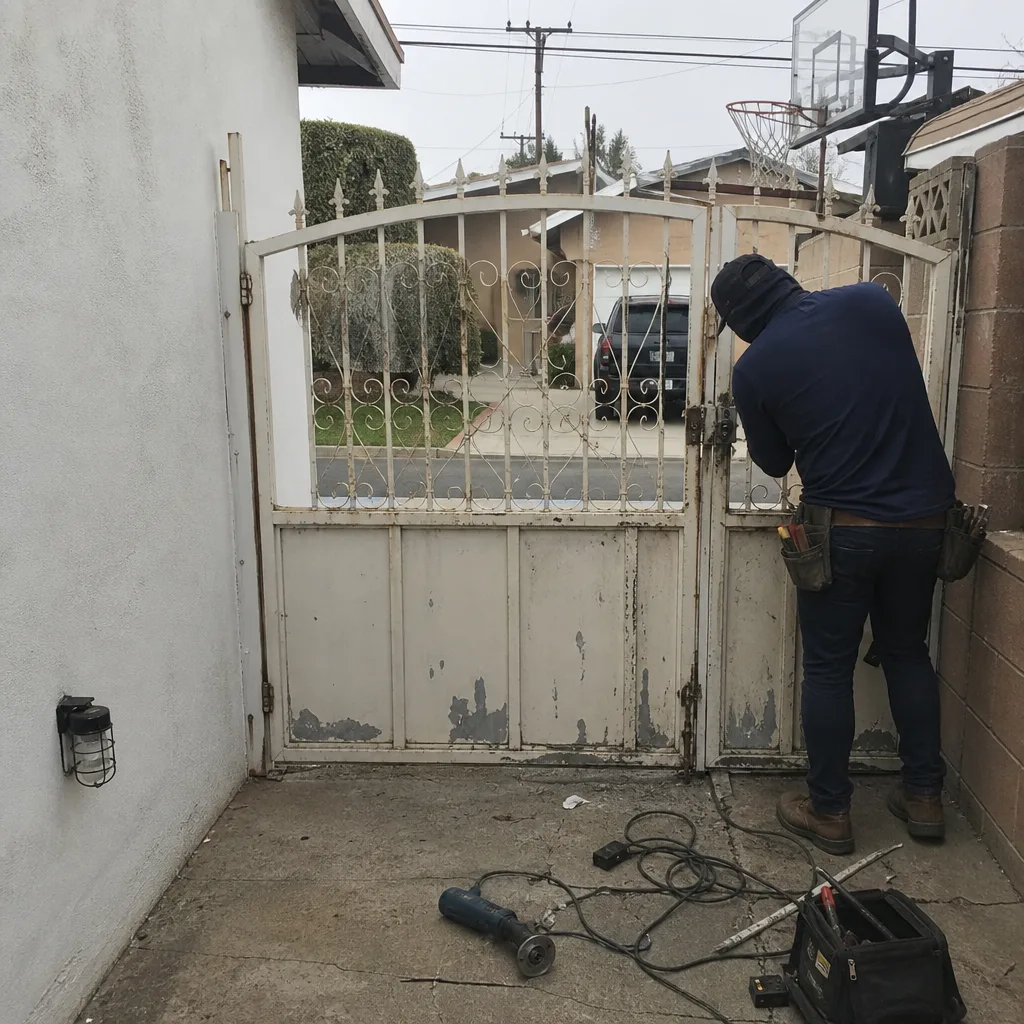 Before
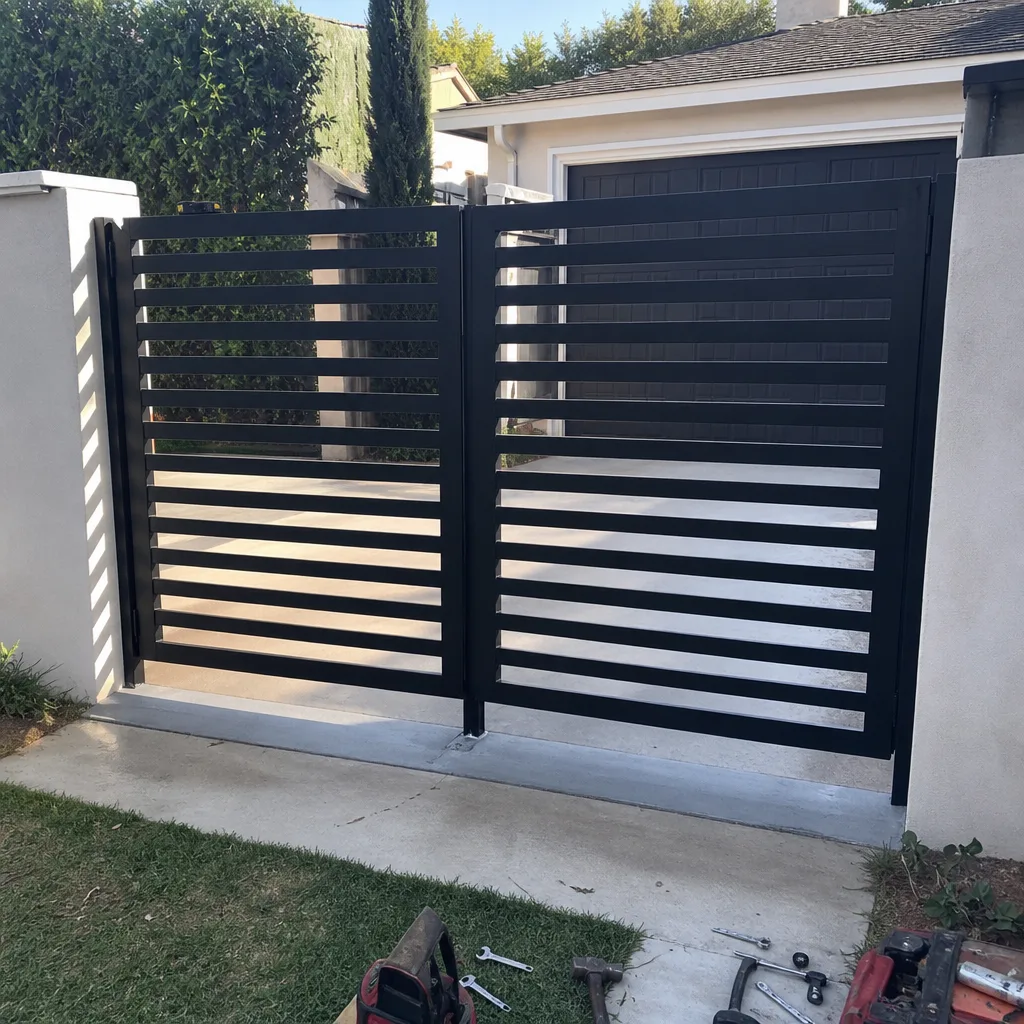 After
AfterGate Repair Permits, Codes & Inspections in CA: What You Need to Know
Most California homeowners discover the hard way that a driveway gate is not just a piece of hardware. It is a structure, a fire-code device, and in many jurisdictions a regulated piece of electrical equipment. The city of Inglewood, like much of Los Angeles County, treats gate installations and major repairs as work that requires paperwork before the first weld or wire. A homeowner who skips this step can face a stop-work order, a failed home sale, or a gate that the fire department flags during a routine inspection. This guide lays out exactly what Inglewood homeowners need to know about permits, codes, and inspections before any gate work starts, and what happens after it is finished.
Quick Answer
In California, a new driveway or pedestrian gate typically requires a building permit when it includes a concrete footing, a motorized opener, or a height over 7 feet. Simple hinge or wheel replacement on an existing permitted gate usually does not. Inglewood follows the California Building Code with local amendments, and any gate served by 120-volt or 240-volt power must be installed or modified only by a state-licensed contractor. Before work begins, confirm with the City of Inglewood Building Division whether your scope triggers a permit, because the answer changes based on gate type, power source, and location on the property.
Table of Contents
- When a Permit Is Required for Gate Work in California
- Inglewood-Specific Gate Rules and Local Amendments
- Fire Code and Emergency Access: The Non-Negotiable Rules
- Electrical Codes for Automated Gates: What the NEC Says
- The Gate Inspection Process: Step by Step
- Repair vs. Replacement: When the Permit Line Moves
- Permit Costs and Realistic Timelines in Inglewood
- Common Mistakes to Avoid
- When to Call a Professional
- Frequently Asked Questions
- The Bottom Line
When a Permit Is Required for Gate Work in California
California building departments, including Inglewood’s, draw the permit line based on what the gate is, how it is powered, and where it sits. A pedestrian gate under 7 feet tall, hung on existing posts without a motor, generally does not need a permit for hinge replacement or panel repair. A motorized driveway gate with a concrete pad, a steel frame set into fresh footings, and a 120-volt power run almost always does.
Here is the practical breakdown we use when a Inglewood homeowner asks us whether their job needs a permit:
- New motorized gate, any height: Permit required. The footing, the post anchors, the motor, and the power supply all fall under the scope of the permit.
- New non-motorized gate over 7 feet tall: Permit required. Height triggers structural review for wind load and post embedment.
- New non-motorized gate under 7 feet, no new footings: Often exempt, but confirm with the city.
- Replacing an opener on an existing permitted gate: Usually no permit, as long as the power supply and gate structure are unchanged.
- Adding an opener to a gate that never had one: Permit required. This changes the gate’s use and introduces electrical work.
- Rebuilding a gate on new posts or footings: Permit required. The original permit covered the original structure.
The safest starting point is a phone call to the Inglewood Building Division. Describe the job in plain terms. A counter technician can tell you in two minutes whether the scope needs a plan review or nothing at all. We routinely make this call on behalf of our Inglewood customers before we send an estimate, because a permit decision made late in the process turns a one-visit job into a three-week project.
Inglewood-Specific Gate Rules and Local Amendments
Inglewood operates under the California Building Standards Code, which incorporates the International Building Code and the National Electrical Code, but the city has adopted local amendments that homeowners need to know. The most relevant for gate work involve setback rules, front-yard height limits, and the treatment of automated gates along public rights-of-way.
In Inglewood, a front-yard driveway gate that swings outward toward the street must maintain a physical clearance so that the gate leaf, when fully open, does not extend into the sidewalk or parkway. This is not a judgment call. It is a measured dimension the inspector will check. Gates that swing outward over a public walkway are flagged during the inspection and often fail on the first pass because the post placement was approved without accounting for the full swing path.
Height also matters. Inglewood’s zoning code generally limits front-yard structures to 6 feet and side- or rear-yard structures to 7 feet, though a driveway gate set back from the property line can sometimes go higher with a variance. Morningside Park and the neighborhoods around Centinela Avenue and Florence Boulevard include a mix of pre-1960s lots where fences and gates were built before current standards. Those older gates are often grandfathered until the homeowner changes the structure. The moment a new post goes in, the new standards apply.
For automated gates, Inglewood requires a UL 325-compliant opener with a manual release mechanism that works without power. The city does not inspect the opener brand. It inspects the safety edges, the photo eyes, and the force settings. We have repaired enough gates in Inglewood to know that a gate built correctly in 1995 will not pass a 2026 inspection unless the safety equipment has been updated. DoorKing, LiftMaster, and Elite all manufacture current-model openers that meet the standard, but the installation details matter more than the nameplate.
Fire Code and Emergency Access: The Non-Negotiable Rules
Fire code is the one area where California gate rules carry real legal weight, and Inglewood Fire Department enforces them actively. A driveway gate is a fire apparatus access point. If the fire department cannot get a truck through the gate in an emergency, the gate is a life-safety problem, not a convenience problem.
The California Fire Code requires that any gate across a driveway that serves as fire access be operable without a key, a code, or a special tool from the street side. Electric gates must include a fire-department key switch, a strobe sensor, or an emergency release that is clearly visible and accessible from the exterior. In Inglewood, the fire department checks this on any gate that fronts a private street or serves more than one residence.
The key numbers:
- Minimum clear opening width for fire access: 20 feet for fire apparatus, or as specified on the site’s fire access plan.
- Key switch type: Inglewood and most Los Angeles County agencies use a standard fire department key switch. Confirm the exact model with the fire marshal before ordering the post-mounted box.
- Manual release: Must be operable by one person in under 15 seconds, without climbing, with the gate in any position in its travel.
- Battery backup: Recommended but not mandated for single-family gates. For multi-resident properties, the fire marshal may require it.
Homeowners who have lived in their Inglewood home for twenty years or more often have an opener installed before current fire code language existed. We see this all the time in the older pockets east of Locust Street and around Rogers Park. The gate itself may be perfectly maintained, but the fire department key switch is missing, or the manual release has been painted over and never tested. A fire inspection triggered by a home sale or a remodel will catch it, and the correction order will come quickly.
Electrical Codes for Automated Gates: What the NEC Says
Automated gate openers run on two electrical systems that California inspectors look at separately. The low-voltage circuit that powers the motor and the safety devices is governed by UL 325 and is generally the installer’s responsibility. The line-voltage feed from the service panel to the gate motor is governed by the National Electrical Code, and that is where a permit comes into play.
Here is what a Inglewood homeowner should know before a gate motor is wired:
- The power run must be permitted. Any new 120-volt or 240-volt circuit from the panel to the gate location requires a building permit and an electrical inspection in Inglewood. This is not a gate-company rule. It is the city’s rule.
- Conduit and depth matter. Buried electrical feed must be in approved conduit at the correct depth for the location. Under a driveway, the depth requirement increases. Inspectors check this before the trench is covered.
- GFCI protection is required. The circuit serving the gate opener must be GFCI-protected at the source. An inspector will trip the GFCI and confirm the gate loses power.
- The disconnect must be accessible. A lockable or service disconnect must be installed near the gate opener, visible and reachable without tools. This allows a technician to kill power before servicing the opener.
- The opener itself must be UL 325 listed. Every major brand sold today, including LiftMaster, Mighty Mule, and DoorKing, meets the listing, but the installation records and the weatherproof enclosures are what the inspector reviews.
Battery-backup openers have become more common in Inglewood because of the fire code pressure described above. A homeowner who wants a battery backup on an existing gate often needs no full re-permit if the original permit is still valid and the replacement opener carries the same electrical load. We recommend confirming that with the city, in writing, before the work begins.
The Gate Inspection Process: Step by Step
When a gate job in Inglewood requires a permit, the inspection process follows a standard sequence. Homeowners who know the sequence before the contractor shows up will notice when something is being skipped.
- Permit application. The contractor or homeowner files with the Inglewood Building Division, describing the gate type, dimensions, power source, and location on the lot. A simple motorized gate on an existing driveway often qualifies for an over-the-counter permit with no plan review.
- Plan review, if required. Large or custom gates, gates on sloped driveways, or gates that abut a public right-of-way may require engineered drawings. The review typically adds one to two weeks in Inglewood.
- Pre-pour inspection. If new footings are required, the inspector verifies post hole depth, rebar placement, and conduit placement before concrete is poured. This is the most commonly missed inspection step in gate work. Once concrete is in, the inspector cannot see what was done.
- Rough electrical inspection. The inspector checks the conduit, wire gauge, junction boxes, and GFCI before the trench is backfilled. Homeowners should take photos at this stage. The photos are the only record once dirt goes back in.
- Final inspection. The gate is hung, the opener is installed, and the safety devices are wired. The inspector checks swing clearance, safety edges and photo eyes, force settings, the manual release, and the fire department key switch if one is required.
- Sign-off and retained records. The city signs the permit card. The homeowner and the contractor should both keep a copy. A lost final sign-off becomes a problem at the next home sale.
In Inglewood, a final inspection on a permitted gate job is usually scheduled within a week of the call, and the inspection itself takes under thirty minutes unless something fails. The fail items we see most often on first-pass inspections are missing safety edges, a manual release that requires a tool to operate, and a gate swing that extends past the property line. All three are fixable, but each one adds time to the project.
Repair vs. Replacement: When the Permit Line Moves
Repair work on an existing gate rarely triggers a permit in California. Replacement work often does. The line between the two is settled by the scope of the work, not by the cost.
A hinge replacement, a wheel replacement, a opener swap on the same mounting plate, a keypad repair, a photo-eye replacement: these are repairs. The gate’s structure and power supply are unchanged. No permit. We perform this kind of work in Inglewood every week, often in a single visit, without any interaction with the city.
A job becomes replacement when the posts are reset, the gate’s footprint changes, the opener type changes from one class to another, or the panel is fabricated new and hung on new hardware. At that point, the city views the gate as a new structure. The original permit, if one exists, covered the original gate. The new gate needs its own paperwork.
There is a gray area that catches Inglewood homeowners: a gate that was built decades ago without a permit, now being substantially rebuilt. The city will not require a homeowner to retroactively permit the old gate, but it will require a permit for the new work. In practice, the permit application describes the rebuilt gate as a new installation. A contractor who suggests skipping the permit because “the old gate never had one” is not doing the homeowner a favor. The next buyer’s title search will find the unpermitted work, and the seller will pay for it at the worst possible moment.
Permit Costs and Realistic Timelines in Inglewood
Inglewood permit fees for gate work are modest compared to the cost of the gate itself. A simple motorized driveway gate permit typically runs between $150 and $400, depending on the electrical scope and whether plan review is needed. Larger or custom gates with engineered drawings can push the fee to $600 or more. These are city fees only. Contractor time for permit management, if charged separately, is usually a flat line item.
Timelines are the bigger variable for a homeowner planning around a gate installation:
- No permit required: Work can start as soon as the estimate is approved.
- Over-the-counter permit: Same-day or next-day issuance in most cases.
- Plan review required: One to three weeks in Inglewood, depending on current volume.
- Inspections: Usually scheduled within a week of request. Pre-pour and rough electrical inspections are short appointments.
- Total time for a full permitted motorized gate installation: Three to six weeks from permit application to final sign-off, assuming no review corrections.
The takeaway for Inglewood homeowners: a gate that needs a permit is not a weekend project. Planning around the city’s calendar is as important as choosing the gate itself. We tell our customers to expect the permit process to run its own schedule, and we build that schedule into the estimate so there are no surprises on the calendar or the bill.
Common Mistakes to Avoid
- Pouring concrete before the pre-pour inspection. The city must see the rebar and conduit before concrete goes in. A homeowner who lets a contractor pour early has just created a footings inspection problem that can require exploratory drilling or full removal. In Inglewood, this is the most expensive single mistake on gate projects.
- Skipping the permit because the neighbor did. Every lot is different. A neighbor with an old unpermitted gate gets no benefit when the city flags a new installation. Past non-enforcement is not future permission.
- Buying a gate opener online and hiring an electrician to wire it. The wiring is only one part of the code. Safety edges, force settings, fire access, and manual release all need to be integrated correctly. A generalist electrician is not a gate technician, and the inspector will find what was missed.
- Ignoring the swing path. In Inglewood, many front yards are small, and a gate that swings outward can easily cross the sidewalk line. The fix is a slide gate or a re-designed post placement. Both are cheaper to resolve on paper than after the gate is hung.
- Replacing an opener without checking fire-access requirements. A gate that served a single-family house for thirty years can suddenly be reclassified if the property layout or use has changed. A quick call to the fire marshal’s office clears this up before money is spent.
- Losing the permit records. Homeowners sell houses. Buyers ask for permits. A gate job done fifteen years ago without a retained record becomes a negotiating point in escrow. Keep the final sign-off card with the house records.
- Treating the gate as a fence. Fence rules and gate rules are different bodies of code. A contractor who says “it’s just a fence” has not read the fire code chapter on driveway access. In California, a gate across a driveway is never just a fence.
When to Call a Professional
A homeowner who is comfortable replacing a hinge on a pedestrian gate can often handle that job with basic tools. The line is crossed when the work touches a motorized opener, a line-voltage circuit, a post footing, or the structural frame of a driveway gate. Those jobs involve springs or cables under load, buried electrical feed, and concrete that holds a moving steel structure. A mistake in any of those areas is expensive to undo and dangerous to live with.
We also recommend calling a professional when the city has flagged a gate during a fire inspection or a home-sale inspection. The correction list from an inspector is written in code language, and addressing it correctly the first time is faster and cheaper than guessing. Ironworks Gate Co. home is based in Inglewood and offers free estimates on gate repair, gate installation, and gate access work. Call (747) 340-9707 to talk through your gate, your permit situation, and what it will take to make it right.
Frequently Asked Questions
A full gate replacement on new posts or with a new motorized opener requires a building permit in Inglewood. A simple panel replacement or hinge repair on an existing permitted gate usually does not. Call the Inglewood Building Division with your scope, or call us at (747) 340-9707 and we can confirm it before you spend anything.
In Inglewood, front-yard driveway gates are generally limited to 6 feet, and side- or rear-yard gates to 7 feet, unless a variance is approved. Gates set back from the property line can sometimes go higher, but that requires a zoning review before the building permit is issued.
If your driveway is classified as fire apparatus access, a fire department key switch or an approved emergency release is required at the street side. Single-family homes with standard driveways do not always need this, but the fire marshal’s office makes the determination, not the gate installer. We can coordinate that confirmation for you.
Yes, and in most cases you should let them. A licensed contractor who regularly works in Inglewood knows which scopes are over-the-counter and which need plan review, and can file the permit, schedule the inspections, and keep the records clean. Verify that the permit is actually pulled before work starts; a verbal promise is not a permit.
A motorized gate with new footings and electrical, from permit application to final sign-off, typically runs three to six weeks in Inglewood. The city’s review and inspection calendar drives most of the timeline. Repairs without permits can often be done in a single visit.
Repairing an unpermitted gate will not force you to retroactively permit the original work in most cases. But if the repair involves new posts, new footings, or a new opener that changes the gate’s use, the city will require a permit for the new scope. We can walk through your specific gate and tell you exactly where the line falls. Call (747) 340-9707 for a free estimate.
The Bottom Line
Gate permits in California are not optional paperwork. They are the mechanism that keeps a driveway gate safe, electrically sound, and fire-code compliant. In Inglewood, the rules are clear once you know where to look: new motorized gates and rebuilt gates need permits, simple repairs generally do not, and fire access requirements override everything else. The smartest move any homeowner can make is to confirm the permit scope before any work begins, keep the final sign-off records, and use a contractor who treats the city’s process as part of the job rather than an obstacle. That is how a gate gets done once and stays done for decades.
Written by Victor Salinas, Owner at Ironworks Gate Co., serving Inglewood since 2013.